Jul. 31, 2026
When people search for How Does an LED Module Work?, they usually want more than a simple definition. They want to understand how a led module produces light, what parts matter most, how to install it correctly, what can go wrong, and how to choose the right product for a real project. In the Google top results, the strongest blog posts usually answer these questions in a practical way: they explain the working principle, show the internal structure, compare options, and give installation and troubleshooting steps.
This article is written for the actual purchasing group around a led module, including buyers, engineers, project managers, installers, and maintenance teams. It focuses on the real pain points:
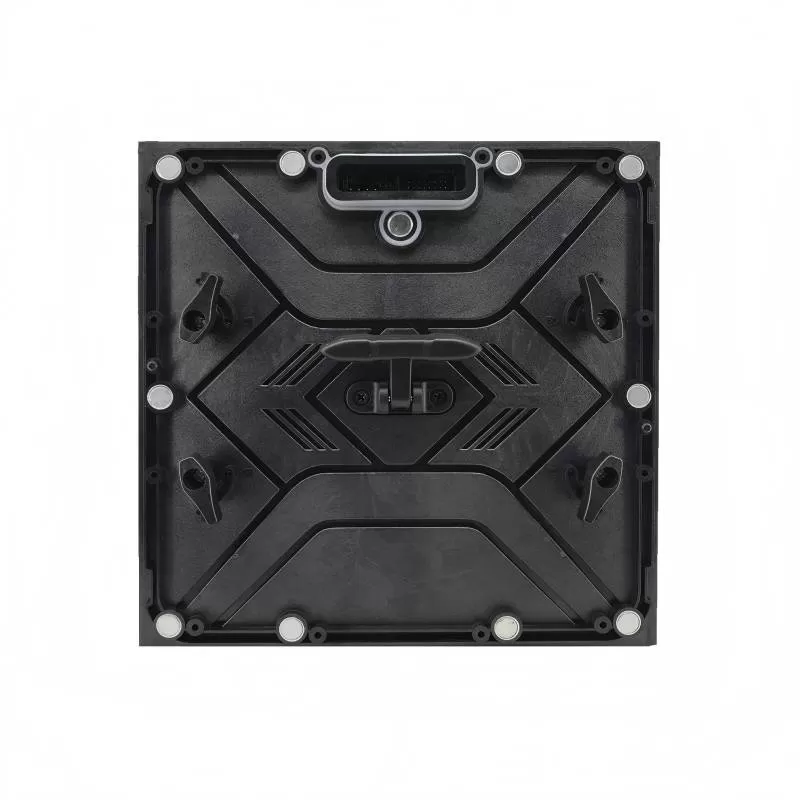
For product reference and branding, you can also review LISN LED at this image link.
A led module is a compact lighting unit that combines LED chips, a circuit board, and protective materials into one ready-to-use product. It is designed to produce stable illumination in a small space and is commonly used in signs, backlighting, displays, decorative lighting, and custom lighting systems. Buyers care about it because the module determines brightness, power use, durability, and overall project cost.
Different decision makers look at the same led module from different angles. A buyer focuses on price and supplier reliability. An engineer focuses on voltage, current, thermal performance, and compatibility. An installer focuses on wiring, mounting, and labor time. A maintenance team focuses on lifespan, failure rate, and replacement convenience. A good buying decision balances all of these needs.
Most users want a fast answer to these questions:
The process begins when electricity flows from a power supply into the led module. The voltage must match the module specification, otherwise the module may flicker, overheat, or fail early. In most systems, the power supply converts the incoming AC power into a stable DC output that the module can use safely.
Inside the led module, the circuit board helps manage the flow of current. LEDs are sensitive components, so they need controlled current rather than uncontrolled power. The board distributes electricity evenly across the lighting points so the module can work consistently. This is one reason why module quality affects brightness stability and lifespan.
The core working principle is electroluminescence. When current passes through the LED chips, electrons move through the semiconductor material and release energy in the form of light. This is what makes the led module efficient. Compared with older light sources, it uses less energy and generates less heat for the same level of output.
Many led module designs include a lens, diffuser, or optical cover. This part helps distribute the light in a more uniform way. In signage and display applications, this is important because it reduces bright spots and creates a cleaner visual effect. If the optic is poorly designed, the result may look uneven or harsh.
Heat management is critical. Even efficient LEDs produce some heat, and that heat must be managed properly. A good led module uses materials and structure that help move heat away from the chips. If the heat is trapped, the module becomes less efficient, color quality may change, and the service life may be shortened.
Once power, current, optics, and heat control are working together, the led module delivers stable light output. If the system is designed well, it can run for a long time with minimal maintenance. This is why buyers often look for verified specifications, strong quality control, and reliable manufacturing support from suppliers like LISN LED.
The LED chips are the light-producing part of the module. Their quality affects brightness, color consistency, and efficiency. Buyers should check chip type, color temperature, and performance stability before placing a purchase order.
The printed circuit board holds and connects the electrical components. It also helps distribute current and support heat transfer. A strong board improves reliability and reduces failure risk in demanding applications.
These components help limit current and protect the LEDs. Without proper current control, the module may overdrive the chips and reduce lifespan.
The outer structure protects the internal parts from dust, moisture, and physical damage. For outdoor or semi-outdoor use, protection level matters a great deal.
This part improves light distribution. In many projects, especially signage, the optical cover helps create a smoother and more professional visual result.
Before installation, confirm the voltage, polarity, mounting direction, environmental rating, and total power load. These checks save time and prevent avoidable mistakes.
Start by identifying the application. Is the led module for signage, backlighting, decorative lighting, or another use? Then check the required brightness, color temperature, size, voltage, and working environment. This ensures the module fits the project instead of forcing the project to fit the module.
Choose a power supply that matches the led module specifications. The voltage must be correct, and the power capacity should be enough to handle the total load with some margin. A weak or incorrect power supply is one of the most common reasons for flicker and failure.
Clean and dry the surface where the module will be installed. Remove dust, grease, or moisture. A stable mounting base improves adhesion, cooling, and long-term reliability. If the surface is uneven, fix it before installation.
Lay out the led module units according to the design plan. Keep spacing consistent and make sure light coverage is even. In signage applications, poor spacing can create visible hot spots or dark areas.
Connect positive and negative terminals correctly. Check polarity before powering the system. Use secure connectors and protect exposed joints with tape or heat shrink tubing. Loose wiring can cause intermittent failures or safety issues.
Turn on the system and inspect brightness, color consistency, heat buildup, and any flicker. Test every section before sealing the enclosure. This makes troubleshooting much easier if something is wrong.
Once testing is complete, fasten all components securely and record the model, voltage, wiring layout, and supplier information. Good documentation helps with future maintenance and replacement planning.
One of the most common errors is connecting a led module to an incompatible power supply. Too much voltage can damage the module quickly. Too little voltage can cause dim light or unstable operation.
LEDs are polarity sensitive. Reversing positive and negative wires may prevent the module from working or may damage some designs. Always verify the wiring before power-up.
If heat cannot escape, the module will age faster. Do not install it in a sealed space without proper thermal design. This is especially important in continuous-use projects.
Placing modules too close together can create heat concentration and uneven lighting. Use a spacing plan based on the module specification and the optical effect you want.
Low-quality connectors can loosen over time. Poor insulation increases the risk of short circuits. This can lead to downtime and maintenance costs.
Never close the enclosure without testing. A short test run can reveal wiring errors, flicker, uneven brightness, or thermal problems before the installation becomes difficult to access.
Different projects need different brightness levels. Signage may need strong and uniform light, while decorative lighting may prioritize softer output. Match brightness to the actual use case instead of choosing by price alone.
The led module must work smoothly with the available power system. Lower power consumption often means better efficiency, but the module still has to meet the required visual performance.
If the module will be used outdoors or in a humid area, protection against moisture and dust becomes essential. Indoor modules may not survive in the same conditions.
Long service life reduces replacement cost and labor. Buyers should look for clear specifications, quality consistency, and after-sales support. LISN LED can be a practical choice when the project needs dependable supply and stable product quality.
If the module does not light up, first check the power supply, wiring, polarity, and connectors. Then inspect the module itself for damage. A multimeter can help isolate whether the issue is in the power source or the module.
Flicker often comes from unstable voltage, loose wiring, or an overloaded power supply. Check all connections and verify that the supply has enough capacity for the full system.
Uneven brightness may come from poor spacing, shading, incorrect optical design, or mixed module batches. Recheck layout and product matching.
If the module becomes too hot, improve ventilation, reduce load stress, and check whether the power supply is correct. Heat problems should be addressed quickly to avoid long-term damage.
These questions reduce risk. They help the purchasing group compare suppliers in a practical way and choose a led module that performs reliably in the real project, not just on paper.
Efficient light conversion means lower electricity cost over time. This matters in commercial projects and continuous-use applications.
A well-designed led module lasts longer and needs fewer replacements. That lowers labor cost and system downtime.
Stable brightness and good light distribution improve the final appearance of the project. This is especially valuable in signage and display work where visual quality affects brand image.
When the module is reliable, installers and project managers can plan with more confidence. That reduces delays and makes the whole process smoother.
A led module works by taking controlled electrical power, converting it through LED chips into light, and managing optics and heat so the output stays stable and efficient.
To choose and use the right led module, focus on:
Whether you are evaluating technical performance, installation speed, or long-term cost, the right led module should be easy to use, stable in operation, and matched to your project goals. If you want a dependable option for your next project, LISN LED offers solutions designed to support practical installation and consistent lighting performance. For more product reference, visit LISN LED image resource.