What Is a Flexible LED Display and How Does It Work?
Nov. 19, 2025
In today’s fast-paced digital world, the demand for innovative display technology is at an all-time high. flexible led display screens have emerged as a groundbreaking solution that addresses many of the pain points faced by businesses, marketers, and artists alike. The versatility of flexible LED displays allows them to be easily integrated into various environments, making them ideal for advertising, art installations, and presentations. These displays can be bent, curved, and shaped to fit unique spaces, which is a significant advancement compared to traditional display technologies that are rigid and limited in application.
This article delves into the definition of flexible LED display screens, their applications, advantages, and how they are revolutionizing the display technology industry. If you’re exploring options for innovative advertising solutions or artistic expressions, this guide will provide you with valuable insights into flexible LED displays.
Definition of Flexible LED Display Screens
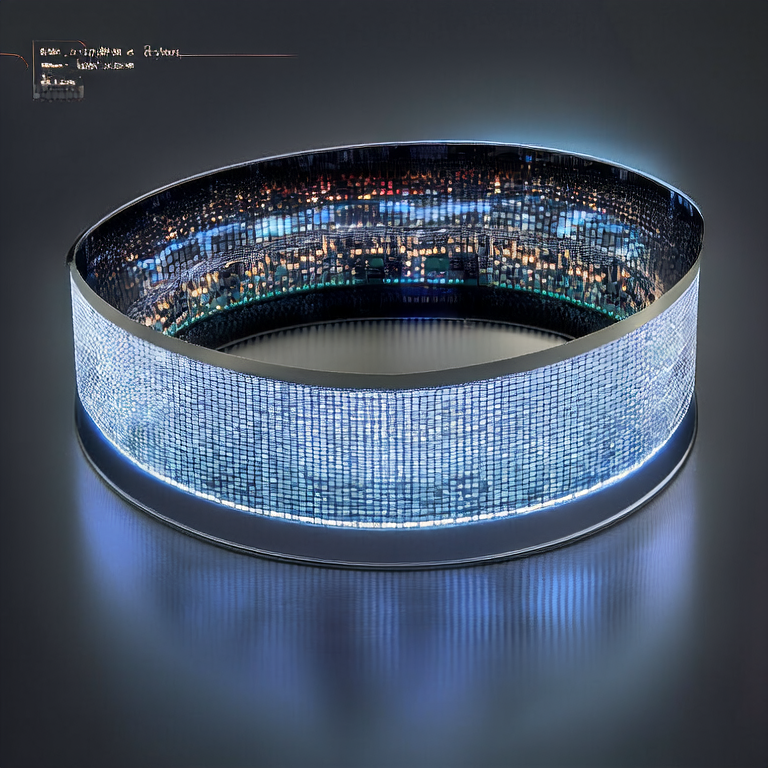
A flexible LED display screen is an advanced display technology that utilizes light-emitting diodes (LEDs) arranged on a flexible substrate. Unlike traditional rigid screens, these LED displays can be bent or curved to fit unconventional surfaces or enhance visual appeal without compromising image quality. This flexibility is particularly beneficial for designs that require creative shapes or larger-than-life configurations.
Industry Term Analysis:
OLED (Organic Light Emitting Diode): A type of LED technology used in creating flexible displays that offers superior color contrast and wider viewing angles.
Pixel Pitch: The distance between the center of one pixel to the center of the next. A smaller pixel pitch in flexible LED displays means higher resolution and detail in the images shown.
Brightness Levels: Flexible LED screens are designed to deliver high brightness levels that can exceed 1,500 nits, making them suitable for outdoor use even in direct sunlight.
Application Scenarios
Flexible LED displays have a broad range of applications across various industries:
Advertising: Retailers are using flexible LED screens in storefronts, allowing them to create eye-catching displays that attract foot traffic. Reports indicate that stores utilizing such interactive displays have seen an average 30% increase in customer engagement.
Entertainment: Concerts and events leverage flexible LED technology to create stunning visual backdrops that can be easily adjusted to different stage designs. For example, festivals that previously relied on conventional banners noticed a 25% increase in audience interaction by switching to flexible LED displays.
Public Spaces: Flexible LED displays are increasingly popular in airports, train stations, and shopping malls for information boards and advertising. The ability to wrap around columns or integrate into architectural features makes them an attractive option for urban environments.
Art Installations: Artists are exploring flexible LED technology to create immersive experiences. This technology allows artists to experiment with dynamic visuals that change, creating an engaging atmosphere for viewers.
Brief Description of Advantages
Why are flexible LED displays significant in the display technology landscape? Here are a few key advantages:
High Customizability: The ability to bend and shape displays means businesses can create installations that fit their specific needs and aesthetics. This customizability can lead to unique branding opportunities that differentiate businesses in competitive markets.
Enhanced Image Quality: Flexible LED displays can achieve a brightness of over 2000 nits, ensuring clear visibility in various lighting conditions. This capability enhances viewer engagement by providing vibrant and dynamic images.
Lightweight and Portable: Modern flexible LED screens are incredibly lightweight, making them easy to transport and install. This portability is critical for businesses that frequently change their display setups.
Energy Efficiency: LED technology is inherently more energy-efficient than traditional display technologies, resulting in lower electricity costs for businesses. They can typically save upwards of 30% in energy expenses compared to older display models.
Next Steps Guidance
To gain a deeper understanding of flexible LED display screens, readers are encouraged to consult user manuals or guides provided by trusted brands such as LISN LED, which specialize in flexible display solutions. Exploring these resources will enhance your knowledge and help you make informed decisions when considering flexible LED technology for your applications.
FAQ
What types of flexible LED screens are available on the market? There are various types, including indoor and outdoor models, transparent displays, and high-resolution options suitable for different uses.
Are flexible LED displays durable? Yes, flexible LED displays are built to withstand rigorous usage conditions, including outdoor elements, making them a long-term investment.
How do I choose the right flexible LED display for my needs? Consider factors like pixel pitch, brightness, size, and the specific environment where the display will be used.
Can I integrate flexible LED displays into existing advertising setups? Yes, many flexible LED displays can be seamlessly integrated into existing systems for a unified advertising experience.
Where can I find quality flexible LED displays? Trusted vendors like LISN LED offer a variety of options tailored to different business and artistic needs.
By leveraging the potential of flexible LED displays, businesses can enhance their marketing efforts and create stunning visual experiences that stand out. For a further understanding or to trial products, visiting LISN LED’s official website might provide the next stepping stone in your exploration of flexible LED technology.